
Day -21: When I Start Building Backlinks for Local Sites
Most people start building backlinks after their site goes live. I start 21 days before. My exact off-page playbook for local sites: which links, how many, and why the timing matters more than the links.
On this page
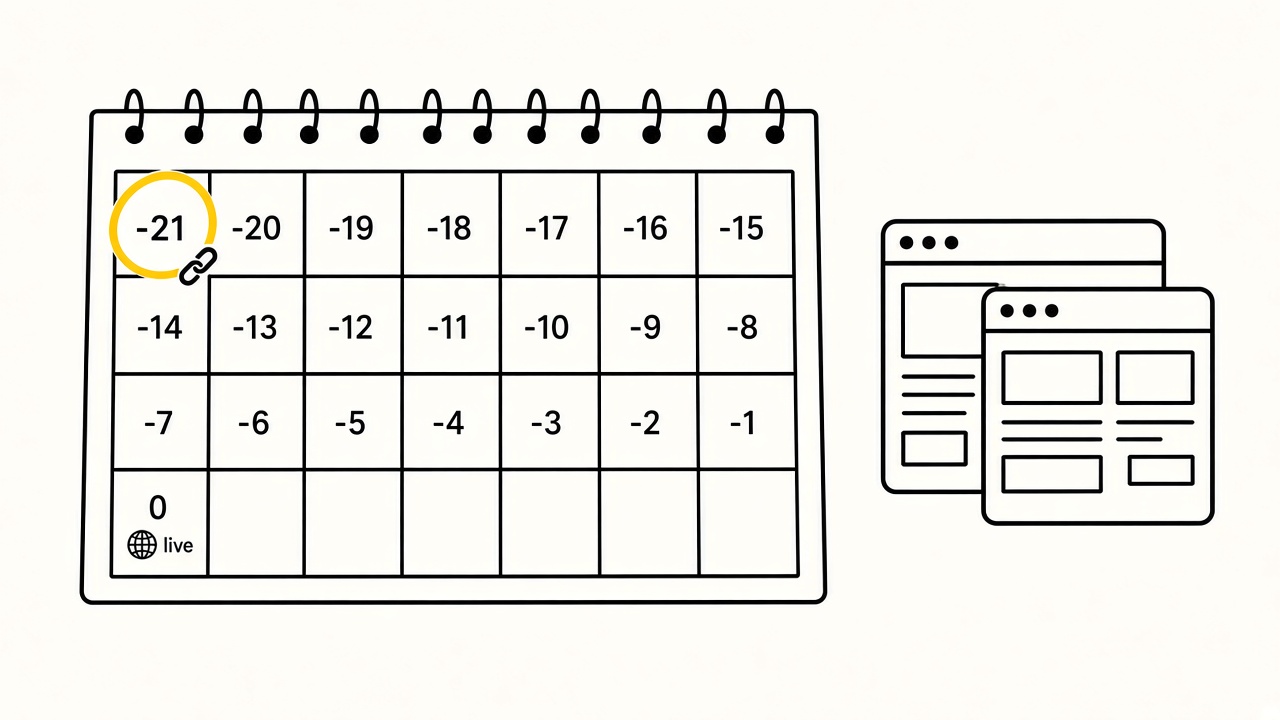
Most people start building backlinks after their site goes live. I start 21 days before. Here is my exact off-page playbook for local sites: which links, how many, and why the timing matters more than the links.
Start Your Links on Day -21
I often get asked about off-page SEO for local sites. When should I start building links? Which links should I start with? How many do I need?
My answer surprises most people: I start building links 21 days before my website is live.
The site is fully built, but hidden from Google with a noindex tag. During those 3 weeks, the links go out and get indexed. When I finally let Google in, the site usually lands in the top 10–15 for its primary keyword, and in the top 3 for some sub-service and area pages.
In this post I'll walk you through the whole process:
- Part 1, Quantity: off-page for pay-per-call micro niche sites
- How many links I actually build, and how to get them done cheap and well
- Part 2, Quality: the Day -21 method for rank and rent sites
- Part 3: why I build one city at a time
A bit of context first. I own Local Sites Pro, an AI local website builder. It helps me build websites fast. On a given day I can build tens of websites, or I can spend a full week on one quality website. So the off-page plan always depends on what I am building the website for.
Part 1: Pay-Per-Call Sites (Quantity)
It Starts With Micro Niche Research
Before I think about a single link, I think about the niche. Off-page gets easy when the keyword is easy.
Instead of targeting something broad like "plumber in Chicago IL", I go deeper with micro niche research. I use AI for this, both Claude and ChatGPT.
I ask the AI something like:
What are the most in-demand local plumbing services in Chicago, IL?
Then I dig further. I filter out the jobs a homeowner can DIY on a weekend. What I want are services a plumber would happily go after, jobs where they can make a good profit.
That is the sweet spot for pay-per-call affiliate marketing. The caller has a real problem, can't fix it themselves, and the job is worth paying for.
Off-Page for Micro Niche Sites: Keep It Basic
Here is the good news. These micro niche websites often don't need much off-page at all.
For the homepage, I just buy basic foundation links:
- Foundation links (social profiles, business profiles)
- Web 2.0s
- Citations
You can get these from Fiverr, Legiit, SEOClerks or anywhere else you trust.
One rule here is non-negotiable: keep your NAP consistent. Name, Address and Phone must be the same on every citation and profile. Mismatched NAP confuses Google and wastes the links you paid for.
The Real Problem Is Indexing, Not Link Quality
Most people obsess over link quality. Manual outreach or marketplace gig, DA this, DR that.
But in my experience, the issue is not the quality of the links. Whether you build them manually or buy them from a marketplace, the links must get indexed. A backlink Google never crawls is a backlink that doesn't exist.
I use Bulk Indexer to index these links. 90%+ of them get indexed in less than 48 hours.
So my rule is simple: every link I build or buy gets submitted for indexing. No exceptions.
How Many Links Do You Actually Need?
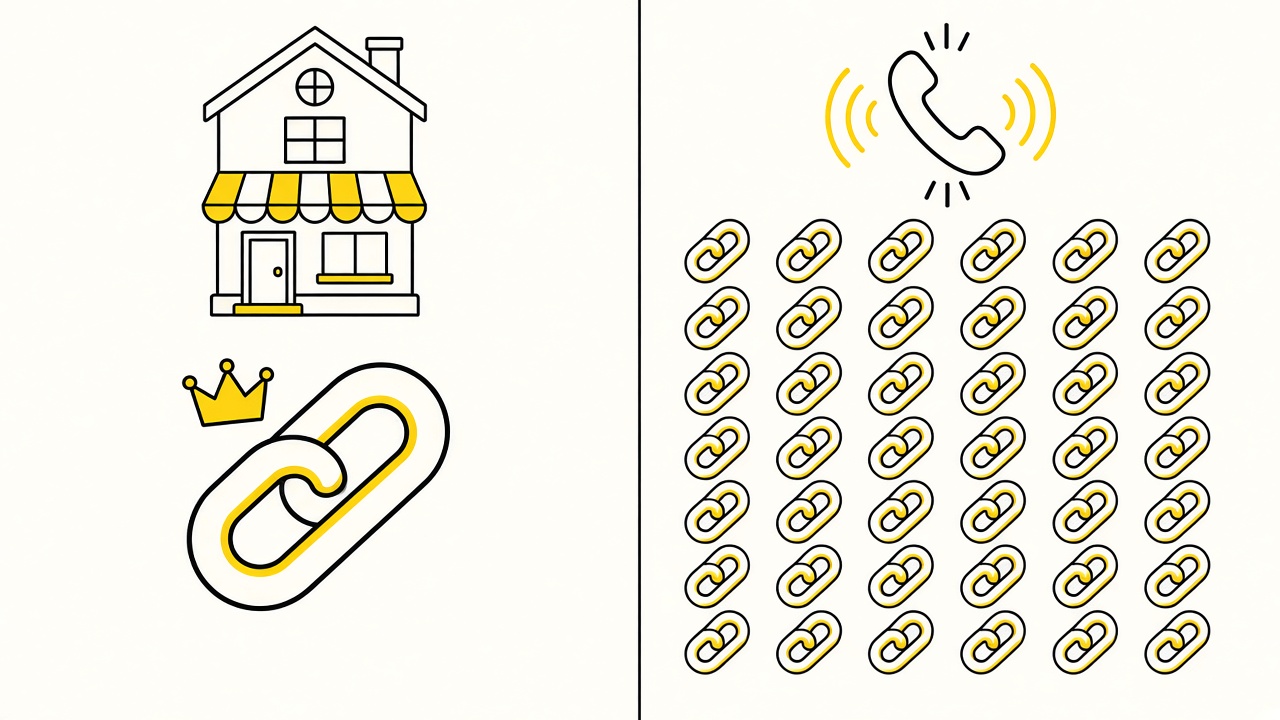
This is the question everyone asks, so here are my real numbers. There are two routes: build a few quality links, or build a lot of bulk links. Both work.
| Link type | Quality route | Quantity route |
|---|---|---|
| Citations | 10: Yelp, ProvenExpert, Yellow Pages, Manta, Hotfrog, etc. | 50 bulk citations |
| Web 2.0s | 5: Blogspot, Google Sites, Strikingly, Weebly, WordPress.com | 50 web 2.0s |
| Profile links | 5, picked from Facebook page, X, Crunchbase, About.me, Instagram, YouTube, Pinterest | 50 profile links from Fiverr, Legiit, etc. |
| Total | 20 links | ~150 links |
The Indexing Math
If you go the quantity route, don't expect every link to stick. If you build 50 and even 10 of them get indexed, that's good.
If you go the quality route, all 20 will usually get indexed naturally. If you want to speed it up, use any backlink indexer, like Bulk Indexer.
Building Manually? Complete Every Profile
If you build the links yourself, don't create half-empty profiles. Google can tell a real business profile from a throwaway one.
- Fill every field. Description, hours, services, categories, everything the platform asks for.
- Add images. Logo, cover photo, service photos.
- Link to more than your website. Link your social profiles and your other citations too. That way your profiles point at each other and build one connected web around your business entity.
- Keep NAP consistent across all of them.
Buying Links? Hire Hungry New Freelancers
Here is a tip most people get backwards. Don't go to the highly rated freelancer with a thousand reviews and tens of pending orders. Your order is just another number in their queue.
Instead:
- Look for new freelancers with fewer reviews. They care more, because every review matters to them.
- Ask them for a custom order and pay them a little more. They will do a better job for you to earn a good review.
- Give them an SOP. Write down exactly how you want each profile done: fields, images, links, NAP. A clear SOP is how you get high quality work every time, from anyone.
You can go one step further and skip the marketplaces. Post in Facebook groups where newcomers are looking for mentorship or guidance to make money online. Teach them something useful, and get quality work done in return. Student communities work too: Facebook groups, Craigslist, Reddit. You get the idea!
Part 2: Rank and Rent Sites (Quality)
Rank and rent is a different game. The goal here is to find a real local business owner and sell leads to them.
So I often start a bit broader. I target a primary service, like water heaters for example. Or I build 5 websites instead of 1 around that service, so I have a bulk of leads to sell to local business owners. One site with 3 calls a week is hard to sell. Five sites feeding one buyer is a business.
For these sites, I follow a strategy that has always worked for me. I learned it from this video by Koray Tuğberk GÜBÜR (the link jumps to the exact moment he talks about it).
Step 1: Build the Complete Website First
I don't launch a homepage and "add pages later". I build everything up front:
- Homepage
- All sub-service pages
- Area pages
- Blog posts
Then I internal link every page to the others with proper anchors.
- Service pages link to other services and to area pages.
- Area pages link back to services, other areas and blog posts.
- Blog posts link into the services and areas they support.
This builds proper topical authority for the keyword. Google sees one tight, connected cluster about one topic, not a bunch of loose pages.
And remember the niche research from Part 1? The keywords I'm targeting are already low competition. Topical authority on a low-competition keyword is why these sites rank fast.
How I Build It: Local Sites Pro MCP + Claude
For this I use the Local Sites Pro MCP with Claude. LSP has a manual content mode, so Claude writes the content, page slugs and internal links right in the chat and pushes everything to Local Sites Pro.
I stay in control of every page and every anchor, without writing it all by hand.
Step 2: Keep the Site No-Index for 3 Weeks
This is the part most people skip.
Once the site is built, I keep it noindex, nofollow. I usually keep it unindexed for 3 weeks.
During that window, I start on the backlinks:
- Foundation links
- Citations (with consistent NAP)
- A few web 2.0s
I submit all of these links to Bulk Indexer and let them get indexed. Once most of the links are indexed, I let the website index by removing the noindex tag. LSP has an option for that, so it's one click.
The 21-Day Timeline
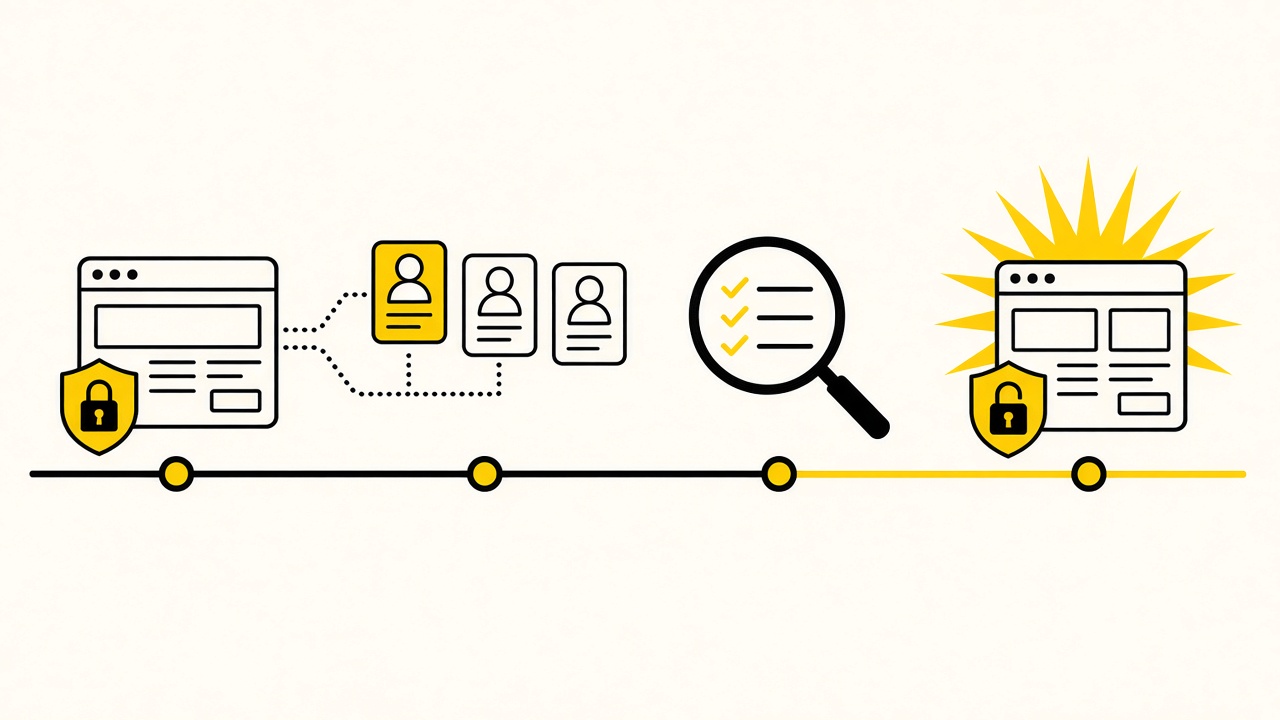
| When | What I do |
|---|---|
| Day -21 | Site fully built and internally linked, set to noindex, nofollow. Start foundation links and citations. |
| Day -21 to -7 | Add web 2.0s. Submit every link to Bulk Indexer. |
| Day -7 to 0 | Check indexing. Wait until most links are indexed. |
| Day 0 | Remove noindex. The site goes live for Google. |
Why This Works: Crawl Budget and Entity
Here is the logic, as I understand it from Koray.
Google doesn't want to waste its expensive crawlers on a brand new, fresh domain. Crawling costs them money. Koray always talks about saving crawl budget and crawler resources, and this method plays right into that.
When the site is noindex and you build links in the meantime, Google's crawlers first learn about your fresh website from those backlinks.
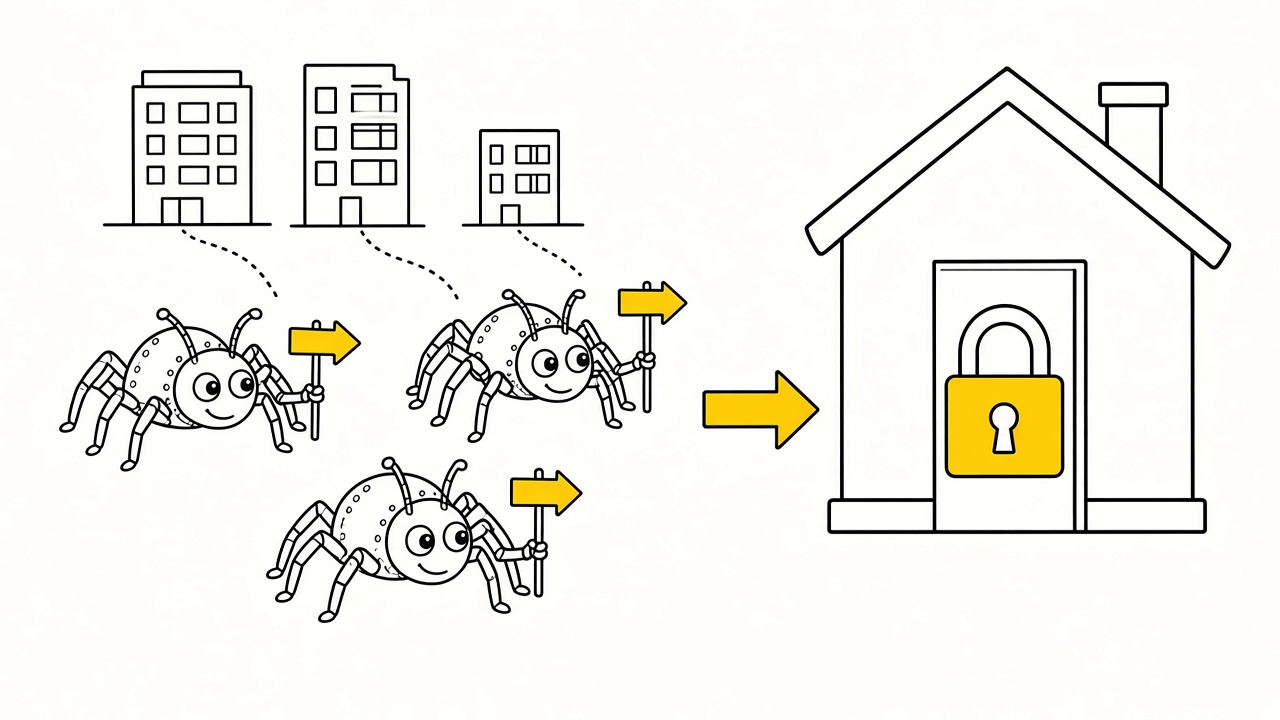
Think about it. Google already knows sites like ProvenExpert, Manta, About.me and other profile and citation websites. Its crawlers visit them regularly. Running your profile pages through Bulk Indexer helps the crawlers find those links even faster.
So the crawlers keep hearing about your website from places they trust. They are kind of hungry to know about it, but they can't get in because of the noindex.
The Entity Is Already Established
When you remove that tag after 3–4 weeks, your website already has its entity established. I picked up this idea of entity establishment from Charles Floate too.
Now, when crawlers visit your website, it's not new to them. They already know it from the citations, profiles and other links you built.
So, the answer to the question "when should I start building links?" is:
Day -21. Before your website is actually live.
The Results
I have tried this method on some medium-competition niches too, and it has always worked.
Most of the time, when I remove the noindex, I find the website in the top 10–15 positions for the primary keyword. And in the top 3 for some micro sub-services and area pages.
Part 3: Own One City at a Time
Here is the mistake I see a lot. People build a plumber site in Chicago, an electrician site in Dallas, a roofer in Phoenix. Every site starts from zero, alone, with nobody around it.
I do the opposite. I cover one city at a time and become the authority there.
Pick a city. Then build sites for multiple home service niches in that same city: plumber, electrician, and every other niche that makes sense for that market. Now you don't have one website in that city. You have a local network.
Why One City Works
1. You can internal link your own websites. Your plumber site and your electrician site serve the same city, so a link between them is local and relevant. These are links you control 100%, and they cost you nothing.
2. You get a powerful asset for link exchanges. This is where it gets interesting. Your sites become something you can trade with real local businesses.
How the Link Exchange Works
Say your plumber website focuses on water heater repair.
There is a real local plumber in the same city who mostly does septic tank work and other plumbing services you don't target. You're not competing for the same jobs.
So you offer a deal:
- Your water heater site links to their septic tank service. Their customers can genuinely use it, so it's a natural, helpful link.
- In exchange, they link to your electrical website, not back to the plumber site.
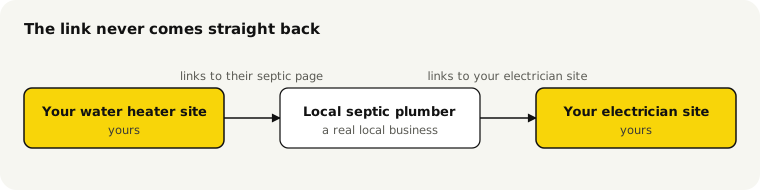
Notice what happened. It's not a direct A-links-to-B, B-links-to-A swap. It's your plumber site → their site → your electrician site. That pattern looks far more natural than a straight reciprocal link, and both sides get a relevant local link.
Now repeat this with your electrician site, your HVAC site, and so on. Every new site you add to the city gives you one more thing to trade, and every real business you connect with becomes a partner, or even a future buyer for your leads.
Keep the exchanges relevant and few. A handful of genuine local partners beats a big web of random swaps.
The Compounding Effect
Your first site in a city is the hardest. By the third or fourth, you already have internal links, local partners and an established presence in that market. That's what being the authority in one city looks like.
Then you move to the next city and do it again.
Quick Checklist
Final Thoughts
Off-page for local sites is not about buying the most expensive links. It's about three things: the right niche, a site with real topical depth, and links that actually get indexed before Google ever sees your pages.
Get those right, and you won't be waiting months for your site to move. Start your links on Day -21.